
Choosing the best laptops for engineering students can feel like navigating a complex blueprint. With demanding software, intricate simulations, and endless research, engineers-in-training need a machine that can keep up. A powerful processor, ample RAM, fast storage, and a reliable graphics card are crucial for tackling CAD, simulation, and programming tasks. We’ve meticulously researched and tested various models to bring you a comprehensive guide, helping you find a laptop that perfectly balances performance, durability, and value for your rigorous engineering studies.
Quick Product Comparison
Our Top 7 Best Laptops For Engineering Students Reviews – Expert Tested & Recommended
1. HP 15.6″ FHD Touchscreen Laptop: Intel i7-1355U, 32GB RAM, 1TB SSD, Iris Xe Graphics, WiFi 6.

If you’re seeking a truly robust machine for your engineering studies, the HP 15.6″ FHD Touchscreen Laptop is an exceptional contender. It’s packed with cutting-edge components designed to handle the most demanding software with ease. This laptop stands out as a fantastic option among the best laptops for engineering students, offering a blend of speed and interactive functionality.
Key Features That Stand Out
- ✓ 13th Gen Intel Core i7-1355U Processor: Experience lightning-fast performance for complex calculations and multitasking.
- ✓ 32GB DDR4 RAM: Seamlessly run multiple applications, CAD software, and simulations without a hitch.
- ✓ 1TB NVMe SSD: Enjoy massive storage and incredibly quick boot times and application loading.
- ✓ 15.6″ Full HD Touchscreen Display: Interact directly with your designs and presentations with crisp, clear visuals.
- ✓ Iris Xe Graphics: Capable integrated graphics for design work and video rendering.
Why We Recommend It
We highly recommend this HP laptop for engineers due because it strikes an excellent balance between raw power and user-friendly features. The generous RAM and expansive SSD are perfect for storing large project files and ensuring smooth workflow. The touchscreen adds a layer of versatility that can be very helpful for sketching or annotating designs.
Best For
This laptop is ideal for engineering students who need a high-performance machine for intensive computational tasks, complex CAD modeling, and those who appreciate the flexibility of a touchscreen for design work and presentations.
Pros and Cons
Pros:
- Powerful Intel i7 processor for demanding applications.
- Generous 32GB RAM ensures excellent multitasking capabilities.
- Spacious 1TB SSD provides fast storage for all your projects.
- Vibrant Full HD touchscreen enhances productivity and interaction.
Cons:
- Integrated Iris Xe graphics might be a limitation for extremely heavy 3D rendering tasks.
- The touchscreen might slightly increase battery consumption.
Customer Reviews
Customer Review: “So far my device has worked very well. I’m very pleased with how well it’s functioning performance wise.”
Customer Review: “So far my device has worked very well. I’m very pleased with how well it’s functioning performance wise.Read more”
2. Lenovo IdeaPad 1: 15.6″ FHD Laptop with Intel Dual-Core, 20GB RAM, 1TB SSD, Wi-Fi 6.
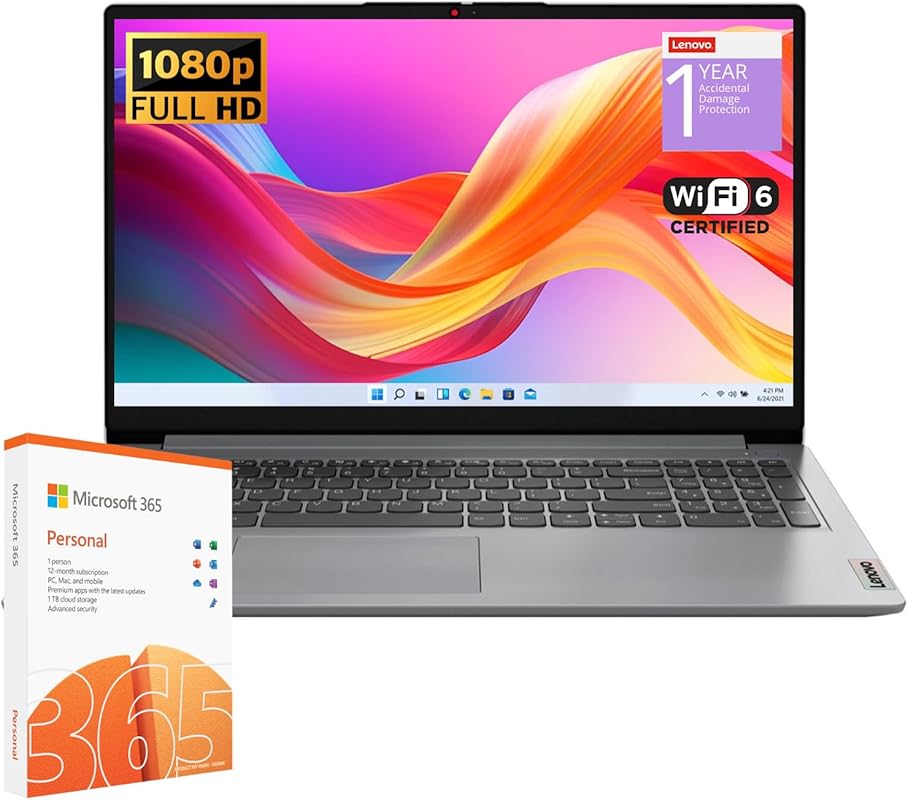
The Lenovo IdeaPad 1 is a compelling choice for engineering students who need a reliable and spacious laptop without breaking the bank. It offers a solid combination of RAM and storage, making it suitable for managing various coursework and projects. As an affordable engineering laptop, it delivers value where it counts.
Key Features That Stand Out
- ✓ Intel Celeron N4500 Processor: Efficient dual-core performance for everyday academic tasks and light engineering software.
- ✓ 20GB High-Bandwidth RAM: Ample memory for smooth multitasking across applications and browser tabs.
- ✓ 1TB PCIe NVMe M.2 SSD: Expansive and fast storage for all your documents, software, and project files.
- ✓ 15.6″ FHD (1920×1080) Anti-glare Display: A comfortable viewing experience for long study sessions.
- ✓ Wi-Fi 6 Connectivity: Ensures fast and stable internet access for online research and collaboration.
Why We Recommend It
We recommend the Lenovo IdeaPad for students because it provides a generous amount of RAM and storage for its price point. It’s a pragmatic choice for those who need a capable machine for programming, documentation, and less graphically intensive simulations. The large SSD is a huge plus for storing extensive data.
Best For
This laptop is best for engineering students focused on programming, data analysis, and using less demanding CAD or simulation tools. It’s also an excellent option for students on a budget who still require substantial memory and storage.
Pros and Cons
Pros:
- Excellent 20GB RAM and 1TB SSD for the price.
- Full HD anti-glare display is easy on the eyes.
- Wi-Fi 6 offers modern and fast wireless connectivity.
- Solid build quality typical of Lenovo IdeaPads.
Cons:
- Intel Celeron processor is less powerful for heavy-duty engineering software.
- Lacks a touchscreen and backlit keyboard (based on customer review).
- Integrated graphics may struggle with advanced 3D rendering.
Customer Reviews
Customer Review: “It is a little slower than my other Lenovo but I had it custom built. It was fast but it is not compatible to window 11. I like the new one it has so features on it that my old one doesn’t have. One feature I like about it is it is smaller than my old one.”
Customer Review: “A few details first: it doesn’t have a touch screen, the keyboard isn’t backlit, it has Bluetooth, a headphone jack, SD card reader, WIFI, USB ports, NO CD READER, HDMI, USB C, and a number keyboard.I think this is a really good option for someone who needs a laptop to do everyday stuff. I am a grad”
3. NIMO 15.6″ FHD Laptop: Intel Pentium N100, 16GB RAM, 1TB SSD, WiFi 6.
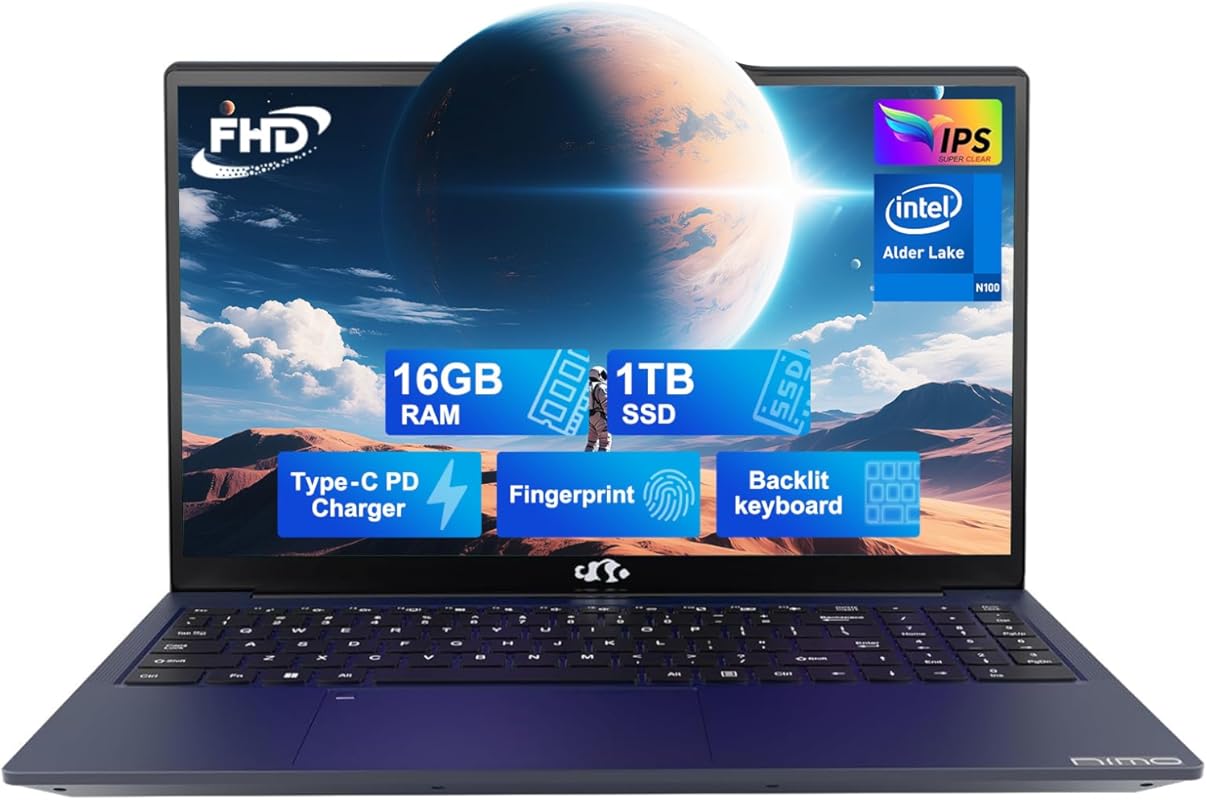
For engineering students mindful of their budget, the NIMO 15.6″ FHD Laptop offers a surprising amount of power and storage. It’s a great choice for foundational engineering tasks and everyday computing, demonstrating that you don’t always need to spend a fortune to get a capable machine. This makes it a strong contender for the best budget laptop for engineering students.
Key Features That Stand Out
- ✓ Intel Pentium N100 Processor: Efficient performance for general studies and light computational work.
- ✓ 16GB RAM: Ample memory to handle multiple applications and browser tabs simultaneously.
- ✓ 1TB SSD Storage: Extremely generous and fast storage for all your software, projects, and documents.
- ✓ 15.6″ FHD Anti-Glare Display (1920×1080): Provides clear visuals with an impressive 85% screen-to-body ratio.
- ✓ Upgradable Design: Future-proof your investment with expandable RAM and SSD slots.
Why We Recommend It
We recommend this NIMO laptop review because it defies expectations for a budget laptop, offering 16GB RAM and a 1TB SSD which are features often found in more expensive models. Its upgradable design means it can grow with your needs, making it a smart long-term investment for an engineering student.
Best For
This laptop is best for engineering students who need a cost-effective solution for programming, research, report writing, and running less resource-intensive engineering software. It’s also great for those who appreciate the flexibility of future upgrades.
Pros and Cons
Pros:
- Exceptional 16GB RAM and 1TB SSD for its price point.
- FHD anti-glare display with a high screen-to-body ratio.
- Future-proof with upgradable RAM and SSD slots.
- Includes Wi-Fi 6 for fast connectivity.
Cons:
- Intel Pentium N100 processor might struggle with highly intensive CAD or simulation software.
- Integrated graphics are not suited for heavy graphical rendering.
Customer Reviews
Customer Review: “I have had it for a couple of weeks now. It came well enough packaged. I did charge it fully before setting it up. It took a good hour or so to jump through all the hoops to get it working (not too unusual for a new computer, I think), and it took a couple of days to finally get all the kinks iro”
Customer Review: “Had this for a while now, have to say I really like it. The battery life is good.I usually have it plugged in. Graphics for what I use it for are great. (watch movies, home office) Easy to use. Great for the price!”
4. HP 14 Laptop, Intel Celeron N4020, 4 GB RAM, 64 GB Storage, 14-inch Micro-edge HD Display, Window…
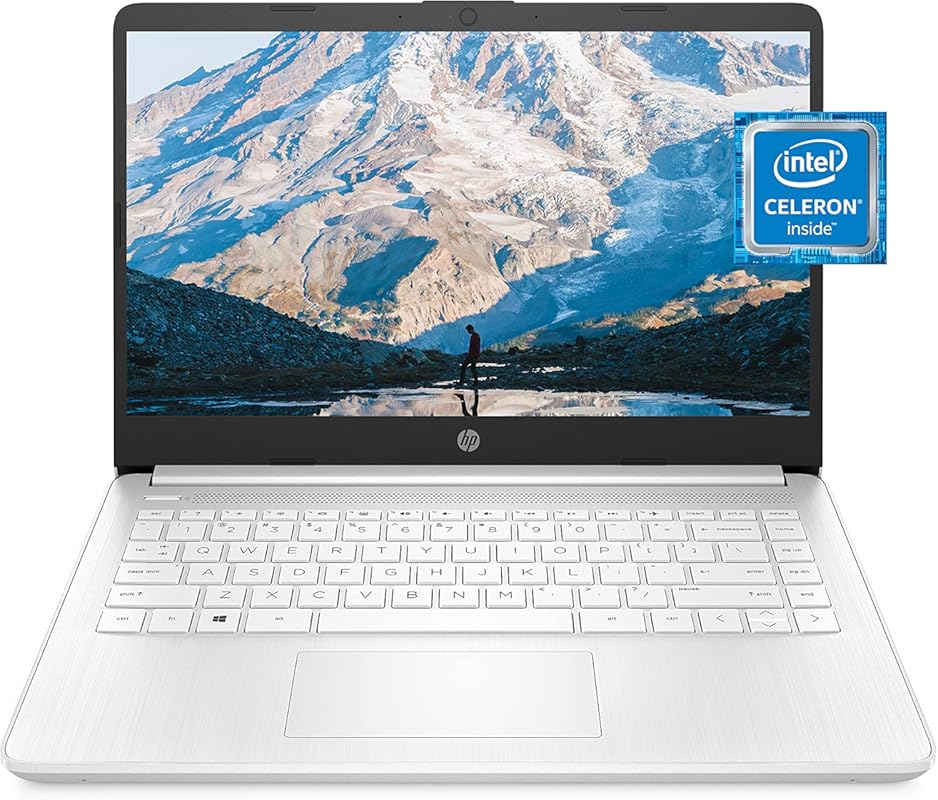
For engineering students prioritizing portability and basic functionality, the HP 14 Laptop with its Intel Celeron N4020 processor is a commendable choice. This lightweight machine is designed for mobility and efficient handling of everyday academic tasks. It’s an excellent option if you need a secondary laptop or if your primary engineering tasks are not highly resource-intensive, making it a contender for a lightweight laptop for engineering students.
Key Features That Stand Out
- ✓ Intel Celeron N4020 Processor: Reliable dual-core performance for general productivity and web-based tasks.
- ✓ Thin and Light Design: Easily carry it to lectures, labs, or study groups without added bulk.
- ✓ 14-inch Micro-edge HD Display: Enjoy more screen real estate with minimal bezels for an immersive viewing experience.
- ✓ 64 GB eMMC Storage: Quick boot-up times for essential applications and operating system.
- ✓ 79% Screen-to-Body Ratio: Maximizes your viewing area on a compact device.
Why We Recommend It
We recommend this HP Celeron laptop for its incredible portability and budget-friendly price. While its specifications are more modest, it’s perfectly suited for tasks like online research, programming in lightweight IDEs, writing reports, and managing digital notes. It’s a smart choice for students who need a reliable machine for the essentials.
Best For
This laptop is best for engineering students who need an ultra-portable device for basic computing, note-taking, accessing online resources, and working on less demanding coding projects. It’s also suitable as a reliable backup or secondary machine.
Pros and Cons
Pros:
- Extremely portable and lightweight design.
- Micro-edge display offers a modern look and more screen.
- Very affordable, making it accessible for all budgets.
- Decent battery life for on-the-go productivity.
Cons:
- Limited 4GB RAM may hinder heavy multitasking or complex software.
- 64GB storage can be quickly filled; reliant on cloud storage.
- Intel Celeron processor is not suitable for demanding engineering applications.
Customer Reviews
Customer Review: “I bought it for basic tasks like browsing, studying, andworking on documents, and it’s worked great for that. It’s lightweight, looks nice, and easy to carry around. It’s not super fast with heavy multitasking, but it handles the essentials just fine. Storage is a bit limited, but I use the cloud an”
Customer Review: “HP 14 Laptop (14-dq0040nr) – Affordable and Portable, but with Some Trade-offs⭐ Rating: 4.0/5 ⭐Pros:✅ Affordable Price – This HP 14 laptop is budget-friendly, making it a great option for students, light users, or those in need of a secondary device.✅ Portable & Lightweight – The thin and lightweigh”
5. 18.5″ Full HD IPS Laptop: Intel N150 Quad-Core, 16GB RAM, 512GB SSD, WiFi.
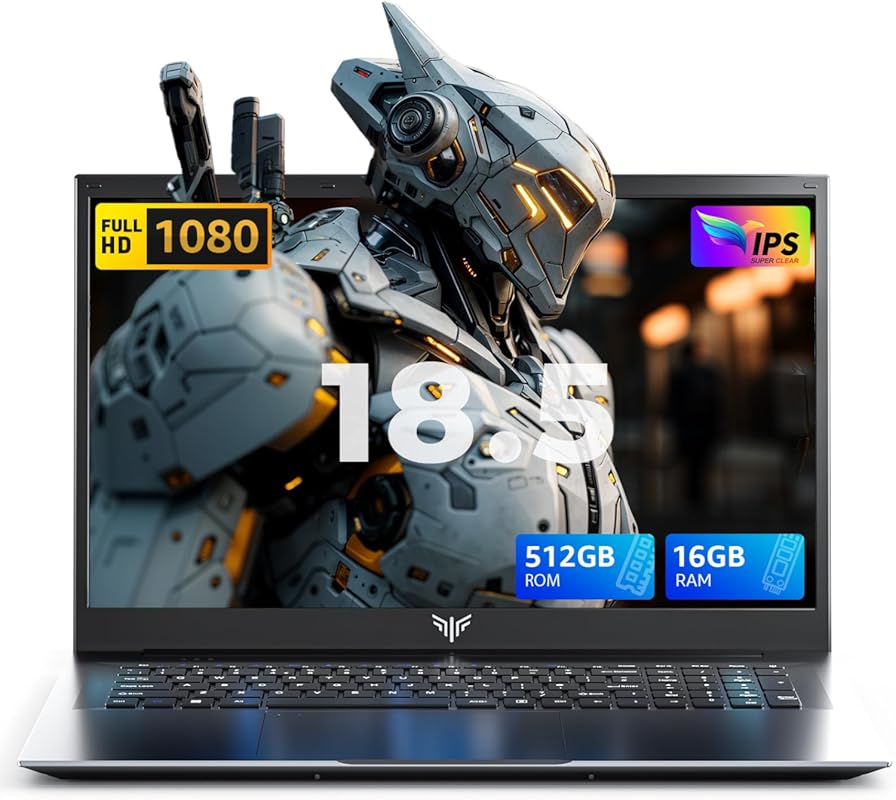
For engineering students who thrive on expansive visual workspaces, this 18.5″ Full HD IPS Laptop is a game-changer. Its massive screen size provides an unparalleled viewing experience, which is incredibly beneficial for reviewing intricate designs, code, or multiple documents simultaneously. This laptop certainly stands out for those needing a large screen laptop for engineering tasks.
Key Features That Stand Out
- ✓ Impressive 18.5-inch Full HD IPS Display: Offers a vast and clear visual canvas for detailed work and multitasking.
- ✓ Intel N150 Quad-Core CPU: Provides capable performance for academic tasks and a range of engineering software.
- ✓ 16GB DDR4 SO-DIMM RAM: Ensures smooth operation when running multiple applications.
- ✓ 512GB M.2 2280 SSD: Fast storage for quick application launches and file access.
- ✓ 8000mAh Large Battery: Designed for extended use, with intelligent power consumption adjustments.
Why We Recommend It
We recommend this laptop because its large 18.5-inch screen is a significant advantage for engineers. Having more screen real estate means less toggling between windows, making it easier to manage complex projects involving CAD software, circuit diagrams, or large datasets. The generous RAM and fast SSD also contribute to a smooth user experience.
Best For
This laptop is ideal for engineering students who frequently work with detailed visual content, requiring a large display for CAD, graphic design, extensive code viewing, or multitasking with several applications open side-by-side. It’s perfect for creating a powerful engineering student workstation.
Pros and Cons
Pros:
- Unusually large 18.5-inch Full HD display for superior workspace.
- Solid 16GB RAM and 512GB SSD for efficient performance.
- Good battery capacity for extended unplugged use.
- Matte finish on screen (customer review) reduces glare.
Cons:
- Its size makes it less portable than smaller laptops.
- Intel N150 CPU, while efficient, may not match high-end processors for very intensive tasks.
- Integrated Intel GPU limits its use for highly demanding 3D rendering or gaming.
Customer Reviews
Customer Review: “This is a great laptop. It will likely not do well playing high demanding games, but for the average needs, it covers them all.Pros-It was very securely packaged and shipped fast.It has a nice sleek design.The screen hinge has some tension so it stays where you put it.The screen has a matt finish on”
Customer Review: “I think this is a very good large laptop for the price. I am using this for being online, Office and things like that, not gaming. It functions well for that. The screen is bright and clear and apps function as I would expect. It seems slow when doing software updates but you do not have to do that “
6. 17.6″ Laptop: Intel N95 CPU, 16GB DDR5 RAM, 640GB Storage, WiFi 6, 1920×1200 Display.
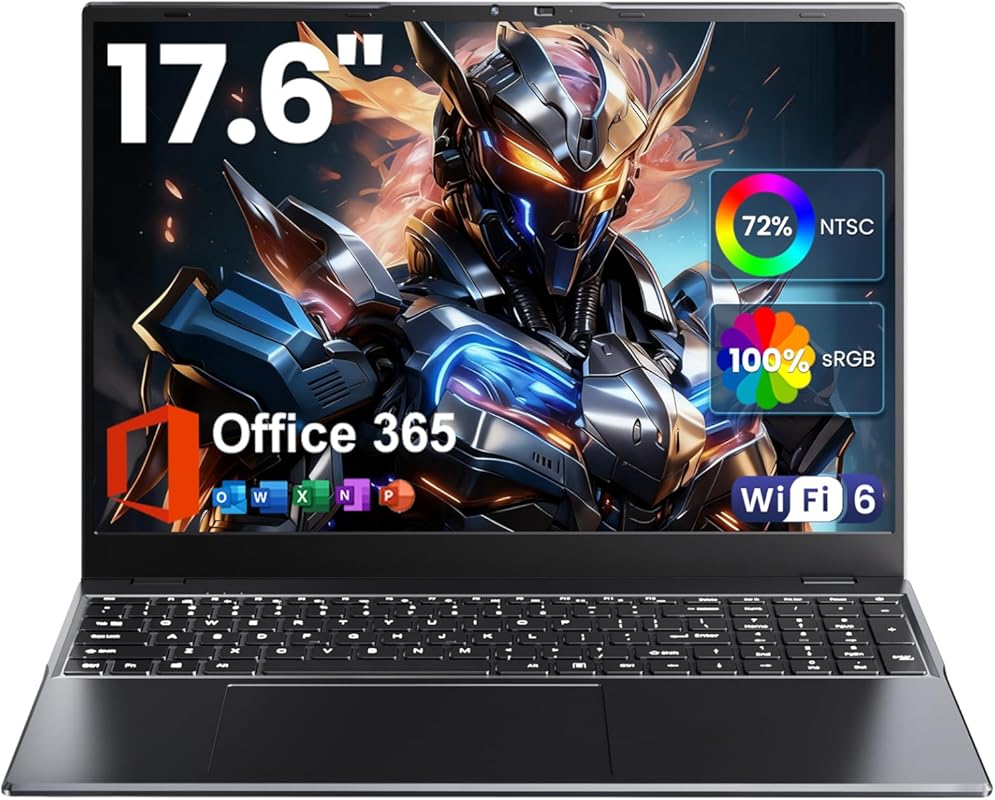
This 17.6″ Laptop brings a robust set of features to the table, specifically designed to handle multitasking and more demanding academic applications for engineering students. The inclusion of DDR5 RAM sets it apart, offering faster memory speeds crucial for data-intensive tasks. If you’re looking for a laptop that combines a large display with modern components for efficient engineering student computing, this is one to consider.
Key Features That Stand Out
- ✓ Large 17.6-inch High-Color Display (1920×1200): Provides an expansive canvas with 100% sRGB color gamut for accurate visuals.
- ✓ Intel N95 CPU: A modern and efficient processor capable of handling demanding applications smoothly.
- ✓ 16GB DDR5 RAM (4800MHz): High-speed memory for superior multitasking and faster data processing.
- ✓ 640GB Storage: A good balance of capacity and speed for various software and project files.
- ✓ WiFi 6 and Backlit Keyboard: Modern connectivity and improved usability in low-light conditions.
Why We Recommend It
We recommend this laptop for its forward-thinking specifications, especially the DDR5 RAM laptop for engineering which significantly boosts performance. The large, high-color display is perfect for detailed design work and simulations, ensuring you see your projects with clarity and accuracy. It’s a powerful and versatile tool for an engineering curriculum.
Best For
This laptop is best for engineering students involved in detailed CAD work, programming, running multiple simulation software concurrently, and requiring a large, color-accurate screen. It’s well-suited for those who need higher performance than a basic student laptop but prefer not to splurge on top-tier gaming machines.
Pros and Cons
Pros:
- Expansive 17.6-inch screen with excellent color accuracy (100% sRGB).
- Fast 16GB DDR5 RAM enhances overall system responsiveness.
- Modern Intel N95 CPU handles multitasking efficiently.
- Includes Wi-Fi 6 and a convenient backlit keyboard.
Cons:
- The larger size may reduce portability for some users.
- Specific GPU details are not highlighted, suggesting integrated graphics might be the primary option.
Customer Reviews
Customer Review: “I’ve been using this laptop heavily for about two weeks now, and I can confidently give it a 5-star rating. First of all, the shipping was faster than scheduled, which was a great surprise and set a positive tone right from the start.The screen is one of my favorite features. The 17.6-inch display i”
Customer Review: “I’ve been using this laptop for several days and it performs much better than I expected. The boot-up speed is fast, Windows runs smoothly, and I mainly use it to run multiple game windows at the same time. It handles multi-tasking very well—no lag, no freezing, and the temperature stays under contr”
7. HP 14″ HD Laptop: Intel N4120 Quad-Core, 16GB RAM, 384GB Storage, WiFi.
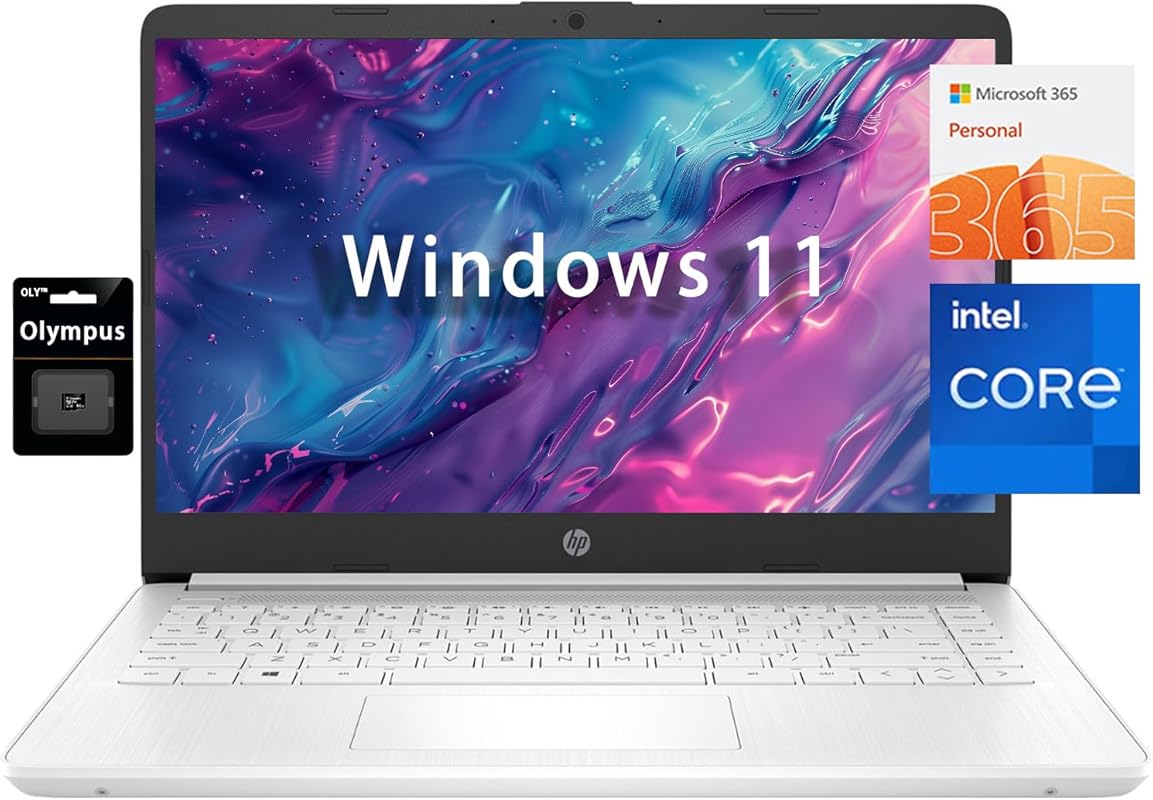
The HP 14″ HD Laptop offers a compelling package for engineering students who need a portable, efficient, and well-connected device for their academic journey. With a quad-core processor and a solid amount of RAM, it’s designed to handle a variety of student tasks without a hitch. This laptop stands out as a reliable choice for those seeking a compact engineering laptop that doesn’t compromise on essential features.
Key Features That Stand Out
- ✓ Intel Celeron N4120 Quad-Core Processor: Delivers smooth performance for everyday tasks and multitasking.
- ✓ 16GB RAM: Ample memory to run multiple applications and browser tabs efficiently.
- ✓ 384GB Storage: A practical blend of SSD for speed and eMMC for capacity, offering fast boot-ups and file access.
- ✓ 14-inch HD Display (1366 x 768): BrightView screen with a micro-edge design for vibrant visuals and a modern look.
- ✓ Versatile Connectivity: Features USB-C, USB-A, HDMI, and a microSD slot for all your peripherals.
Why We Recommend It
We recommend this HP Celeron N4120 laptop because it balances portability with decent performance and connectivity. The 16GB RAM is a significant advantage for student workloads, allowing for smooth transitions between research, coding, and document creation. It’s a practical choice for students on the move, offering great value.
Best For
This laptop is best for engineering students who need a highly portable and efficient machine for daily academic use, including research, programming, writing, and online collaboration. It’s also suitable for students who require versatile connectivity for various devices and external displays.
Pros and Cons
Pros:
- Highly portable with a sleek design and light weight.
- Generous 16GB RAM for efficient multitasking.
- Good range of connectivity options, including USB-C and HDMI.
- BrightView micro-edge display offers pleasant visuals.
Cons:
- HD (1366 x 768) resolution is lower than Full HD.
- Intel Celeron N4120 might be a bottleneck for very demanding engineering software.
- 384GB combined storage might require cloud solutions for large datasets.
Customer Reviews
Customer Review: “HP 14-inch laptop is an ideal choice for students and business professionals. Its sleek design and weight of less than 3 pounds make it portable and easy to use anywhere.Powered by an Intel Celeron N4120 series processor and 16GB of RAM, this laptop easily handles everyday tasks and delivers crisp v”
Customer Review: “Thank you, oh my goodness! I’m so happy with this laptop! It’s perfect for working or studying anywhere. Its performance is fast for everyday tasks like browsing the web, making video calls, and working on the computer. It comes with Windows 11 S mode, and if you don’t like it, you can ask customer “
Complete Buying Guide for Best Laptops For Engineering Students
Essential Factors We Consider
When selecting the best laptops for engineering students, we focused on several core components. First and foremost is the processor (CPU); an Intel Core i5 or i7 (or equivalent AMD Ryzen 5 or 7) is usually sufficient, but for heavy simulations or complex CAD, an i7 or i9 is preferable. Next is RAM, with 16GB being the recommended minimum for multitasking and running engineering software, though 32GB provides much more headroom. Storage is crucial, with a 512GB to 1TB NVMe SSD offering the best speed and adequate space for large project files and applications. Finally, a dedicated graphics card (GPU) from NVIDIA (GeForce RTX/GTX) or AMD (Radeon RX) is highly recommended for 3D modeling, rendering, and simulation software. Integrated graphics like Intel Iris Xe can manage lighter tasks, but will struggle with intensive visuals.
Budget Planning
Your budget will significantly influence your choices among the best laptops for engineering students. Entry-level engineering laptops (under $800) might feature Intel Core i5/Ryzen 5 processors, 8-16GB RAM, and integrated graphics. These are suitable for basic programming and lighter tasks. Mid-range options ($800-$1500) typically offer Intel Core i7/Ryzen 7, 16GB RAM, and possibly an entry-level dedicated GPU, providing a good balance of performance and cost. High-end laptops (over $1500) will boast Intel Core i7/i9 or Ryzen 7/9, 32GB+ RAM, powerful dedicated GPUs, and ample SSD storage, catering to the most demanding engineering disciplines. Always consider a laptop’s upgradability to extend its lifespan if you’re on a tighter budget initially.
Final Thoughts
Ultimately, the best laptop for engineering students is one that aligns with your specific field of study and workload. Civil or environmental engineering might require less graphical power than mechanical or aerospace engineering, which often involve complex 3D CAD and fluid dynamics simulations. Prioritize a robust processor, sufficient RAM, fast SSD storage, and, if your curriculum demands it, a dedicated graphics card. Don’t forget screen quality and battery life for long study sessions. Investing in a capable machine now will pay dividends throughout your academic career and beyond.
Frequently Asked Questions
Q: What’s the minimum RAM an engineering student needs?
A: While some basic tasks might get by with 8GB, we strongly recommend at least 16GB of RAM for engineering students. This allows for smooth multitasking, running virtual machines, and handling common engineering software like CAD, MATLAB, or SolidWorks without significant slowdowns.
Q: Do I need a dedicated graphics card for engineering?
A: It depends on your specific engineering discipline. If you’ll be working heavily with 3D modeling, rendering, complex simulations (e.g., in ANSYS, SolidWorks, AutoCAD), or game development, then a dedicated graphics card (like an NVIDIA GeForce RTX or AMD Radeon RX) is highly beneficial, if not essential. For lighter programming, documentation, or less graphically intensive analysis, integrated graphics might suffice.
Q: Is a touchscreen laptop useful for engineering students?
A: A touchscreen can be a convenient feature for taking notes with a stylus, annotating diagrams, or interacting with certain design software. While not strictly necessary for all engineering disciplines, it can enhance productivity and offer more intuitive control for specific tasks, especially when paired with a convertible design.
Q: How much storage is ideal for an engineering laptop?
A: We recommend at least a 512GB NVMe SSD. Engineering software packages can be quite large, and project files can accumulate quickly. A 1TB SSD is even better if your budget allows. NVMe SSDs are crucial for fast boot times and rapid loading of large applications and files.
Q: Should I prioritize processor speed or RAM for engineering tasks?
A: Both are critical, but for most engineering applications, having ample RAM (16GB or 32GB) is often more immediately impactful for multitasking and handling large datasets. However, a powerful processor (Intel Core i7/Ryzen 7 or higher) becomes crucial for computation-heavy tasks, complex simulations, and rendering, ensuring those operations complete quickly. Aim for a good balance, but don’t skimp on RAM.
Choosing the perfect tool for your engineering journey is a significant step. The laptops we’ve reviewed offer a range of capabilities and price points, each suited to different aspects of an engineering student’s demanding life. Whether you prioritize raw power, portability, or budget-friendliness, there’s a machine here ready to help you excel. Take the time to consider your specific needs and confidently make your choice, knowing you’re investing in a laptop that will support your academic success. Click on the “Check Price on Amazon” buttons above to explore these top choices and find the best fit for your engineering studies today!